Services
Our Services
Our team will attempt to accommodate all special requests to the best of our ability. In case of an emergency, please give us a call
before coming in so that we can prepare for your arrival.
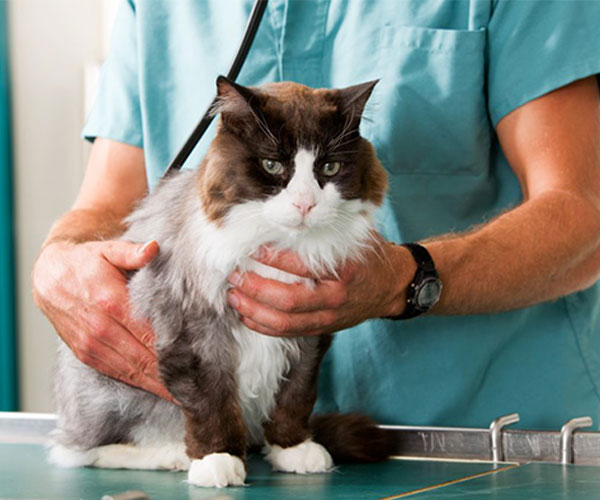
Routine Check-Ups
Routine wellness checks can help diagnose, treat, or prevent health problems. We believe prevention is the best cure for most ailments. That means regular check-ups and vaccinations to keep your pet in top shape.
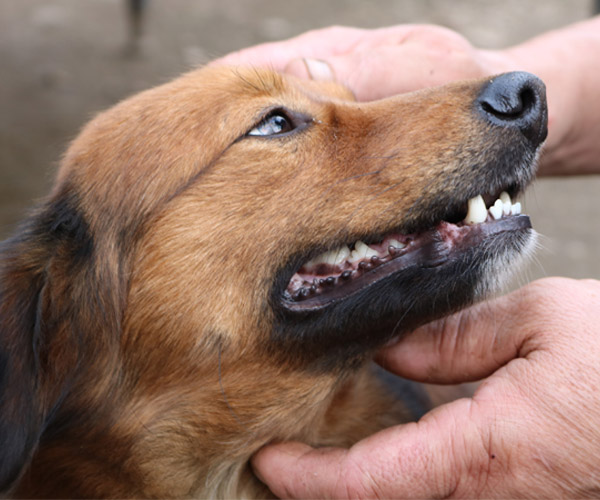
Dental Care
Professional dental cleaning removes not only the visible plaque and tartar on the teeth surfaces but also the bacteria under the gums. This eliminates potential sources of infection to the mouth and other organs and protects your pet.
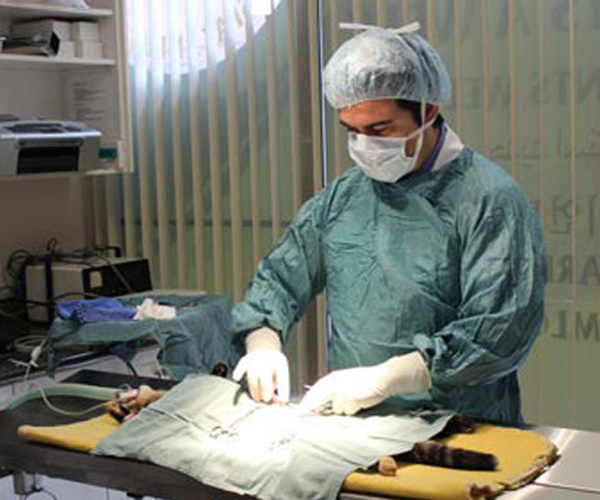
Surgery
Our veterinarians adhere to the highest level of standards for all surgical procedures. Our highly skilled doctors place the utmost emphasis on pain management to ensure your pet is safe and comfortable throughout the treatment process.
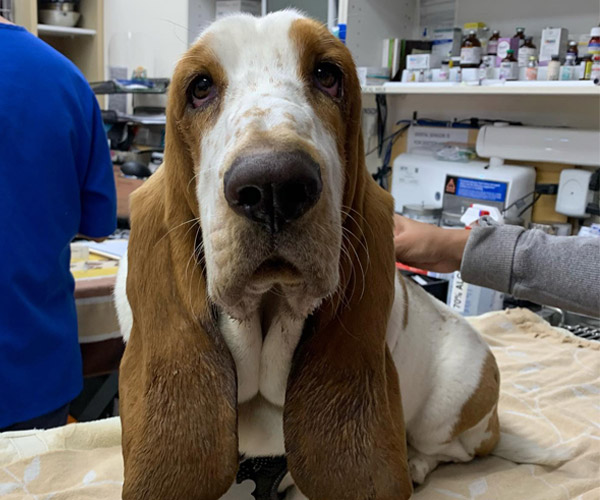
Medical Care
Pet medical care is the treatment of any illness or injury through the use of medications and nursing care. For this to be successful there must be a correct diagnosis, and a complete understanding of the disease process and of the medications.
Anaesthesia
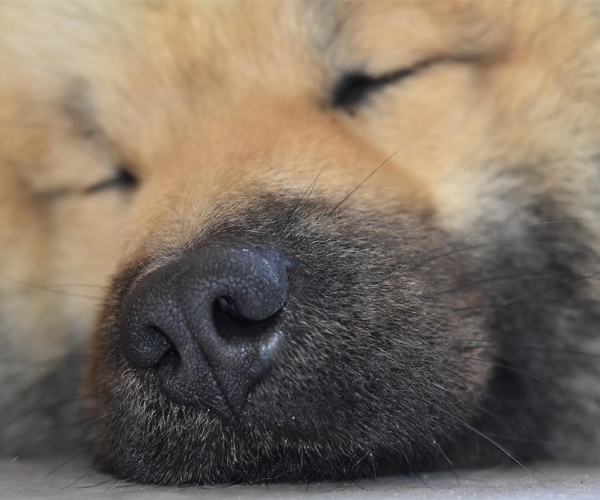
If surgery is suggested, you can feel comfortable knowing that our hospital only administers anesthesia in the utmost safe and cautious manner. Your pet’s safety and comfort are our primary concerns whenever anesthesia is involved.
Microchipping
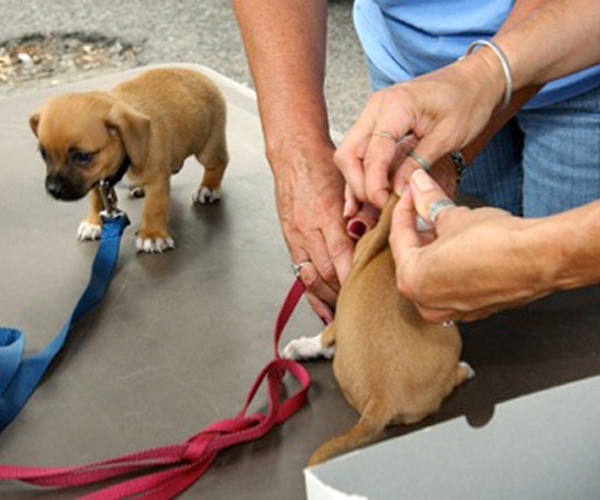
Thousands of pets become lost every day, and microchip identification is the one reliable way to reunite these lost pets with their owners. The procedure is safe, easy, inexpensive, and practically painless.
Spays & Neuters
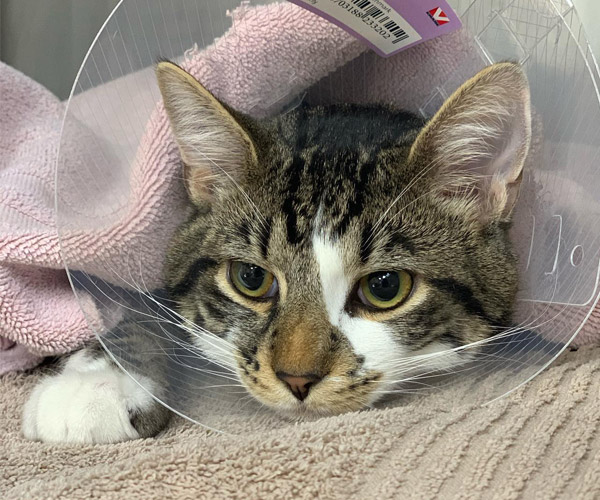
If you are shopping around for a competitive price on this procedure, be sure to question the type of anesthetic used, the type of pain management provided, and the monitoring equipment and procedures followed.
X-Rays
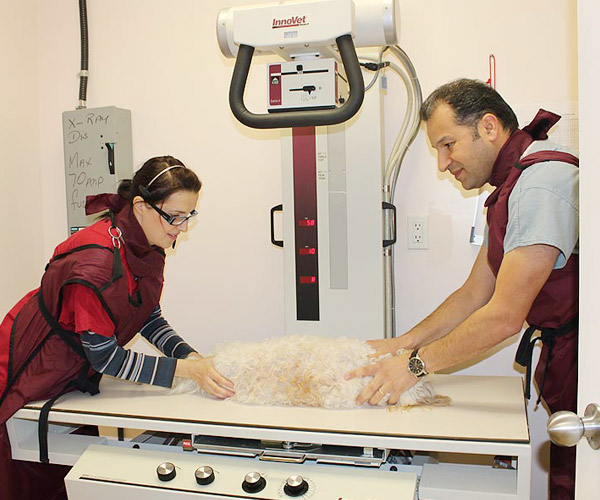
One of the most common and valuable medical diagnostic tools is radiography or x-rays. X-rays are highly useful for screening areas of the body that have contrasting tissue densities or when evaluating solid tissues.
Pain Management
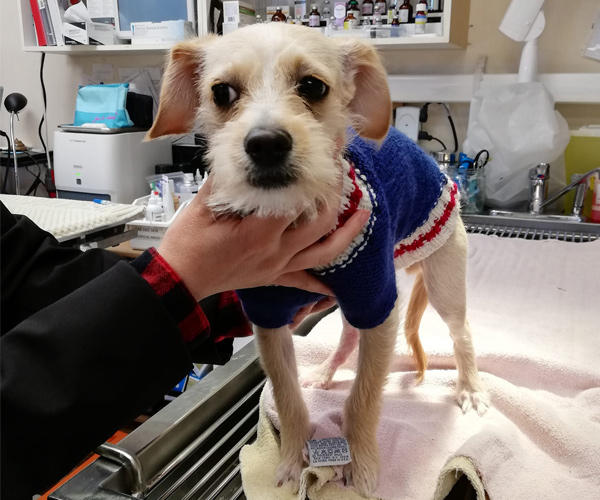
In recent years, veterinarians have made great progress in understanding how animals feel pain and the best ways to manage that pain. Many animals will instinctively hide their pain as a survival mechanism which in the past led to incorrect assumptions.
Euthanasia
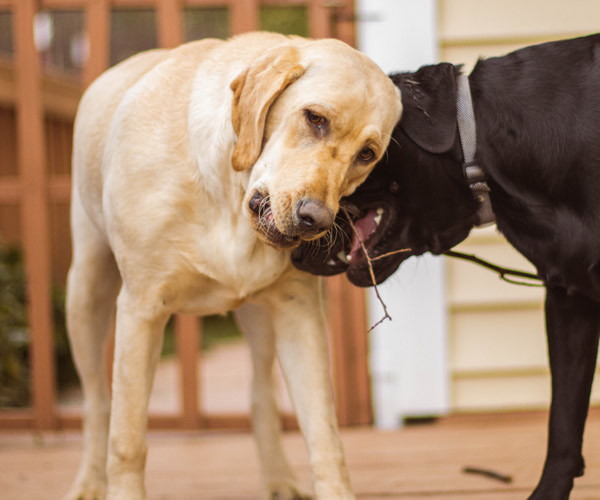
Deciding to euthanize a pet is an agonizing process. You will likely experience a wide range of complicated emotions as the time comes. It is important that you are prepared for this event and deal with the feelings as they come.
Specialized Services
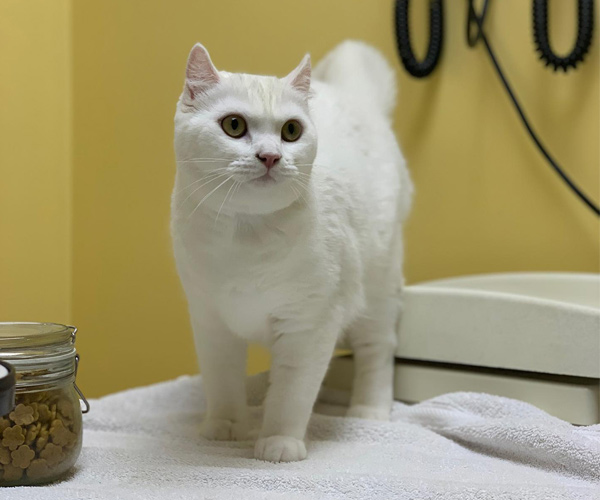
Ultrasounds, Internal Medicine and Endoscopy Services
Routine Check-Ups
Animals can’t always tell us when they’re feeling under the weather, but they may exhibit signs like a loss of appetite or stilted movement, so it’s up to pet parents to schedule routine wellness checks. This time with Lincoln Animal Hospital is all part of providing a wholesome, happy, and healthy life for your treasured companions.
On their second birthday, you might still view your pets as puppies and kittens, but in animal years they’ve entered adulthood. The aging process in animals is rapid compared to humans. Did you know, on average, one human year equals 5-7 cat/dog years. And this means major health changes can occur in the blink of a cat’s eye.
Routine wellness checks can help diagnose, treat, or prevent health problems. We believe prevention is the best cure for most ailments. This means regular check-ups and vaccinations to keep your pet in top shape. A routine wellness check includes an examination of your pet for abnormalities, listening to the heart and lungs, and checking eyes, ears, and mouth.
Afterwards, the vet will decide if further tests are needed. It’s also the perfect time to chat with us about nutrition, your pet’s behaviour, dental care, and any concerns you might have.
Even if your furry friend is living its best life, getting them routinely checked by a veterinarian can help improve their life span.
Pet Dental Care
Professional dental cleaning removes not only the visible and invisible bacteria, regular inspection of your pet’s mouth is important to catch
dental disease in the early stages, and protects your pet from pain and tooth loss.
Oral disease is the most frequently diagnosed health problem in pets. Dental disease is an often unrecognized source of pain in pets.
Dental disease causes pain and can affect many organs in the body, this also can be indicating that another disease process is occurring
elsewhere in a pet’s body.
We recommend regular oral examinations and dental cleanings for all adult dogs and cats. We also recommend and demonstrate preventative
measures you can begin at home. Our wellness program emphasizes and explains how you can avoid costly dental procedures with your
pet in the future.
BE ALERT – Common signs of oral disease include:
- Tartar buildup
- Red and swollen gums
- Bad breath
- Changes in eating or chewing habits
- Pawing at the face
- Generalized depression
Surgery
When the unthinkable happens, you’ll want someone you can trust with the skills and the tools to help your furry friend feel better.
Surgical intervention can give your pet aid and comfort while reducing the risk of diseases and personality changes.
Once veterinary surgery is scheduled, it is natural to feel anxious. Rest assured, we understand the bond between pet and owner. We treat your pets as if they are our own.
Post-surgery can be an uncomfortable period. Your pet might feel drowsy over the next few days, but that special spark should reignite as they heal.
Surgical Procedures include:
- C-Sections
- Cystotomy
- Cardiology
- Radiology (X-Rays)
- Small Tissue
- Ultrasounds
- Wound Care/Repair
Medical Care
We provide various medical services to ensure your pet has a long and joyful life.
The troubling gurgling in your four-legged friend’s stomach can be caused simply by digestion or numerous issues affecting the esophagus, stomach, gallbladder, pancreas and intestines. Pet gastroenterology complications can be difficult to diagnose as symptoms such as vomiting, flatulence, weight loss, diarrhea and blood in stools can be signifiers of different diseases including parasites, ulcers, inflammatory bowel disease and allergies.
We help with problems that affect your pet’s endocrine system, which consists of tissues, mostly glands, that release hormones into the bloodstream. These hormones regulate your pet’s growth, metabolism and development. When a hormone balance is affected, diabetes, hypothyroidism, which can be seen frequently in canines, Cushing’s Disease, and Addison’s Disease can develop. Look out for symptoms that include, but are not limited to weight loss, increased drinking and urination.
Our expert team also diagnoses and treats dermatology disorders. We perform allergy testing and skin biopsies to pinpoint your pet’s skin condition and then provide a treatment plan.
We know the issue of pain management is of great concern to pet owners today. As in human medicine, we have a variety of medications available to manage your pet’s pain both before and after surgery and in the event of trauma and disease. We offer pain management options for pets at every stage of their life.
The benefits of an on-site laboratory mean we can conduct testing, blood work and urinalysis and receive your pet’s results within hours. A fast diagnosis allows us to treat the issue promptly.
If you notice a change in your pet’s behaviour, it is always best to err on the side of caution and come in for a check-up. We will provide you with the necessary education on your pet’s condition and work with you to improve their long-term quality of life.
Anaesthesia
Our veterinarians tailor the anesthetic procedure to fit the needs of each patient. Most of our surgery patients have an IV catheter
in place and receive intravenous fluids throughout the procedure and during the postoperative period.
Your pet’s vital signs are monitored during general anesthesia and continuously throughout the surgical process including:
- Oxygen level in the blood
- ECG
- Heart rate
- Blood Pressure
- Respiratory rate
- Carbon dioxide level
- Temperature
- Pain
We use advanced pain management techniques in conjunction with anesthesia to make sure your pet is as comfortable as possible
during the procedure and after they are discharged. We tailor the pain management plan to the needs of the patient.
Pre-surgical blood work is recommended for all pets receiving general anesthesia, which provides a vital check on the health of a patient
and determines whether they are an appropriate candidate for surgery. Testing allows us to diagnose and treat previously undetected
medical problems and also can assist us in determining the appropriate anesthetic, drug selections, surgery changes or even cancellation
if necessary.
Microchipping
Thousands of pets become lost every day, and microchip identification is the one reliable way to reunite these lost pets with
their owners.
The procedure is safe and easy, The microchip itself is about the size of a grain of rice. It contains a tiny metallic
“bar code” surrounded by an inert membrane which makes it non-reactive when it is placed under the skin.
Most pets don’t seem to notice any more than any other injection. Once the chip is in place, it should be there for
the life of the pet, and we will register your microchip to ensure your contact information is associated with the bar code number.
If the pet becomes lost, all animal care facilities (shelters, veterinary hospitals, pounds, etc) will scan the pet for a microchip,
using a special microchip reader that is simply waved over the skin. These scanners are very reliable and easy to use.
Once a microchip is found, a special hotline is called, and the lost pet is reported. The pet owner is then called immediately
and given the contact information about where to pick up their pet.
Some owners feel that their pet doesn’t need identification because it is always in the house, but in our experience, these are the
most likely pets become lost when they get outside by accident.
Industry figures claim that 8,000 pets every day are located and returned home because they have a microchip.
Spays & Neuters
Most of our surgery patients have IV catheters placed and receive IV fluids. We use several monitoring devices
during your pet’s anesthetic.
A veterinary technician continually assesses your pet’s vital signs during the procedure. Our monitoring devices
and procedures allow us to respond to an anesthetic emergency faster. Faster responses can save lives.
Your pet’s safety and comfort are essential for us, that’s why we use advanced pain management techniques in
conjunction with anesthesia to make sure your pet is as comfortable as possible during the procedure and after they
are discharged.
Proper pain management makes the procedure as comfortable as possible and allows for faster recovery.
Surgical Spaying:
Female dog or cat spaying or ovariohysterectomy is considered a routine abdominal operation.
Mammary cancer is a relatively common disease in unspayed females.
Surgical Neutering:
Male dog or cat neutering is the surgical removal of a male pet’s testicles.
Neuter is a common surgical procedure considered to be a basic component of responsible pet ownership.
X-Rays
When we need to figure out what’s wrong with your pet, we routinely use x-rays to help identify the cause of the problem, rule out possible problems, or provide a list of possible causes.
We may also use x-rays during a wellness exam to diagnose potential problems before they become serious.
X-rays provide valuable information about a pet’s bones, gastrointestinal tract (stomach, intestines, and colon), respiratory tract (lungs), heart, and genitourinary system (bladder, prostate).
We use radiology alone or in conjunction with other diagnostic tools. Interpretation of radiographs requires great skill on the part of the veterinarian. We offer digital radiology (x-rays that are captured digitally rather than on film). This technology allows us to provide you with a quicker diagnosis for your pet. Plus, it uses less radiation than traditional x-rays.
To avoid a blurry image, pets need to remain completely still while an x-ray is taken. In some cases, we may need to sedate your pet or use short-acting general anesthesia.
If you have any questions about our radiology service or what to expect during your pet’s procedure, please don’t hesitate to ask.
Pain Management
In recent years, veterinarians have made great progress in understanding how animals feel pain and the best ways to manage that pain.
Many animals will instinctively hide their pain as a survival mechanism which in the past led to incorrect assumptions about the ability
of dogs and cats to feel pain.
Because we now understand more about how pets feel pain, we know how to recognize it and manage it. Pain management has become
an important issue in veterinary medicine.
Pain management helps improve the recovery process, whether from illness, surgery or injury. Because it reduces stress and increases
a sense of well-being; pain management may even help your pet live longer.
Understanding Pain:
There are two different types of pain in pets
Acute pain
Comes on suddenly as a result of an injury, surgery, inflammation or infection. It can be extremely uncomfortable for your pet. The good
news is that it’s usually temporary and goes away when the condition that causes it is treated.
We offer pain management with every surgical procedure for both the comfort of the patient and to speed the recovery process.
Chronic pain
Is by definition pain that lasts longer than two weeks. It can result from acute pain that goes untreated or it can develop more slowly.
Common sources of chronic pain are
- Osteoarthritis
- Dental disease
- Cancer
Signs that your pet might be in pain include:
- Depression and/or inactivity
- Rising slowly or “collapsing” to lie down
- Walking with a stiff gait, especially after getting up
- Standing or sitting in unusual positions
- Trembling
- Inappropriate elimination
- Whining, whimpering, howling, or constantly meowing
- Constantly licking or chewing at a particular part of the body
- Acting funny and out of character, either aggressively or submissively
- Unable to get comfortable (constantly changes positions to find the most comfortable position)
- Develops new and inappropriate behaviour like chewing on objects such as wood (may indicate a dental issue).
When pain is correctly assessed and treated, patients respond with increased vigour and a sense of well-being that owners recognize and
appreciate. The longer the pain goes on, the harder it is to control so we always want to treat this pain as soon as possible.
Euthanasia
Deciding to euthanize a pet is a difficult process. You will likely experience a wide range of complicated emotions as the time comes.
Our veterinarians are very familiar with the experience and are able to talk with you about the process and feelings that
go with it, they will help you navigate through this process and help you resolve any questions.
We recommend:
Spend time with your pet in the weeks or days leading up to the euthanasia. This will be a very special time for both of you. You will undoubtedly
feel very emotional and sad but try to remain in control. Your pet will sense your feelings and you want this time to be as enjoyable as possible for them.
Be re-assured that you have given your pet a lifetime of love. Arrange a time to spend with your pet directly before the procedure. If you choose to
be in the room, you can still have some private time with your pet beforehand. It is sometimes helpful to say goodbye in this final setting. Talk to your
family about euthanasia.
Everyone should be able to share their thoughts and feelings on the process, and ultimately decide if they would like to be present or not. It can be
a traumatic experience, so fully consider the outcomes prior to deciding.
Saying goodbye to your pet:
Take a few final moments to express your feelings. Do whatever you need to do to say goodbye. Remember, you can take comfort in the
fact that they do not know or understand what is going on. You are not alone.
There are many others experiencing similar grief. Pet loss can be very challenging, and there are pet loss support groups available
throughout the country.
If you have specific questions or concerns about euthanasia or you would like more information regarding the diagnosis or treatment
of your pet’s disease, please contact us.
Specialized Services
- ULTRASOUND AND ECHOCARDIOGRAPHY
Available with specialist’s interpretation. Cardiologist, Radiologist, and Canine & Feline Specialists. (ABVP, ACVIM, ACVR)
- INTERNAL MEDICINE AND ENDOSCOPY SERVICES
On-site consultation and core Internal Medicine diagnostic procedures.
(BSc, DVM, DACVIM)